
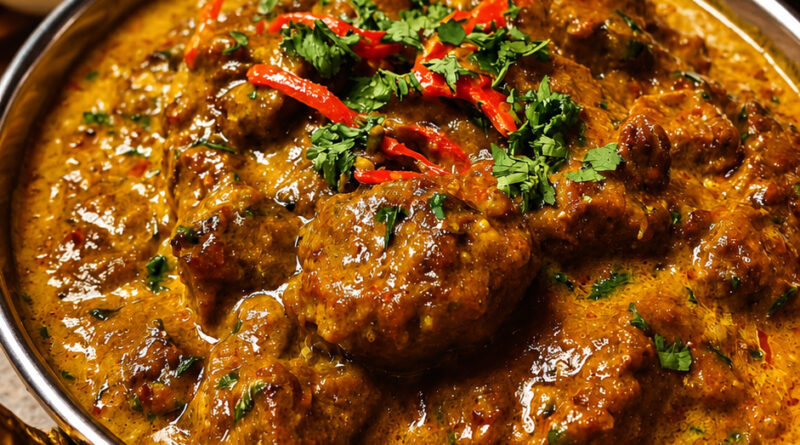
Slow-Simmered Beef Madras with Creamy Coconut and Aromatic Spices
There is something wonderfully comforting about a slow-cooked beef curry. As the beef gently simmers, it becomes tender and juicy while the sauce develops layers of rich, savory, sweet, tangy, and aromatic flavors. This Slow-Simmered Beef Madras with Creamy Coconut is an especially satisfying version, combining tender pieces of beef with tomatoes, yogurt, coconut milk, garlic, onion, and warming Madras-style spices.
The result is a hearty curry with a beautifully thick sauce and a creamy finish. It is flavorful without needing complicated ingredients, making it a wonderful choice for a relaxed weekend dinner, family meal, or cozy evening at home.
The secret is patience. Instead of rushing the cooking process, the beef is allowed to simmer slowly so the connective tissue breaks down and the meat becomes exceptionally tender. Meanwhile, the sauce reduces and concentrates, creating the deep flavor that makes a slow-cooked curry so irresistible.
Why You’ll Love This Beef Madras
This recipe has everything you want in a comforting curry.
The beef is cooked slowly until it becomes fork-tender, while the tomato base provides acidity and richness. Coconut milk adds gentle sweetness and a silky texture, while Greek yogurt brings a subtle tang and creamy body.
A little dark brown sugar balances the acidity of the tomatoes, and red or white wine vinegar adds brightness to the finished sauce. Fresh coriander scattered over the top gives the dish a fresh, herbaceous contrast.
What Makes It Special?
- Tender slow-cooked beef that practically melts in your mouth.
- Creamy coconut milk for a luxurious sauce.
- Tomatoes that create a rich, slightly tangy curry base.
- Greek yogurt for extra creaminess and subtle acidity.
- Dark brown sugar to balance the savory and acidic flavors.
- Vinegar for a bright finishing note.
- Fresh coriander that cuts through the richness.
- Simple preparation with ingredients that are easy to find.
Ingredients You’ll Need
Beef
Use approximately 570 g of beef chuck, brisket, or topside, cut into bite-sized pieces.
Beef chuck is particularly good for slow cooking because it contains connective tissue and fat that gradually soften during cooking. Brisket is another excellent choice and gives the curry a particularly rich texture.
Topside can also be used if you prefer a leaner result, although it is important not to overcook it at a high temperature.
Flour
You will need 2 tablespoons of all-purpose flour.
Lightly coating the beef with flour helps encourage browning and also contributes to a thicker, more substantial curry sauce.
Sunflower Oil
Use 3 tablespoons of sunflower oil, divided between the different cooking stages.
A neutral oil such as sunflower oil works well because it allows the curry’s aromatic flavors to remain the focus.
Salt
Add approximately 1 teaspoon of salt, or adjust according to your preference.
If your canned tomatoes, stock, or other ingredients contain added salt, you may want to reduce the amount.
Onion
A large onion, very finely chopped, forms the aromatic foundation of the curry.
Taking the time to chop the onion finely allows it to soften and blend into the sauce instead of leaving large pieces throughout the finished dish.
Garlic
Use 2 cloves of finely chopped garlic.
Garlic adds savory depth and complements the warming curry spices beautifully.
Chopped Tomatoes
One 400 g can of chopped tomatoes provides the main acidic component of the curry sauce.
Tomatoes help create a thick, rich base while balancing the creamy coconut milk and yogurt.
Dark Brown Sugar
Add 2 tablespoons of dark brown sugar.
Brown sugar might seem unusual in a savory curry, but a small amount helps round out the sharpness of the tomatoes and vinegar while adding subtle caramel-like depth.
Red or White Wine Vinegar
You will need 2 tablespoons of red or white wine vinegar.
The vinegar adds brightness and prevents the creamy sauce from tasting overly heavy.
Greek Yogurt
Use 1 cup of Greek yogurt or thick natural yogurt.
Greek yogurt gives the curry a creamy texture and pleasant tang. Because yogurt can split when exposed to very high heat, it is best incorporated carefully toward the end of cooking.
Coconut Milk
Add 1 cup of coconut milk.
Coconut milk creates the signature creamy texture of this recipe and softens the stronger flavors of the curry.
Fresh Coriander
Finish the dish with approximately 2 tablespoons of freshly chopped coriander.
The fresh herb provides a vibrant contrast to the rich sauce.
How to Make Slow-Simmered Beef Madras
Step 1: Prepare the Beef
Begin by cutting the beef into evenly sized bite-sized pieces.
Try to keep the pieces relatively similar in size so they cook at approximately the same rate.
Pat the beef dry with paper towels. Removing excess surface moisture helps the meat brown more effectively.
Place the flour in a bowl and lightly toss the beef through it until each piece is thinly coated.
Avoid using too much flour. You want a light coating rather than a thick crust.
Step 2: Brown the Beef
Heat some of the sunflower oil in a large heavy-bottomed pot or Dutch oven over medium-high heat.
Add the beef in batches rather than crowding the pan.
Allow each piece to develop a deep golden-brown exterior before turning it.
This browning step is extremely important because it creates additional layers of flavor that will eventually become part of the curry sauce.
Once browned, transfer the beef to a plate and continue with the remaining pieces.
Add a little more oil if necessary.
Why Brown the Beef?
Browning creates flavorful compounds on the surface of the meat through the Maillard reaction. These browned bits also remain in the bottom of the pan and become incorporated into the sauce when the liquid is added.
This is one of the easiest ways to make a homemade curry taste deeper and more developed.
Step 3: Cook the Onion
Reduce the heat to medium and add the finely chopped onion to the same pot.
Cook gently until the onion becomes soft and translucent.
Stir frequently and scrape the bottom of the pot with a wooden spoon to loosen any browned pieces.
Those caramelized bits contain valuable flavor, so don’t discard them.
If the onions begin sticking too quickly, lower the heat slightly and add a small splash of water or additional oil.
Step 4: Add the Garlic
Once the onion has softened, stir in the chopped garlic.
Cook briefly until fragrant.
Garlic cooks quickly, so avoid leaving it over high heat for too long. Burned garlic can become bitter and overpower the other flavors.
Step 5: Build the Tomato Curry Base
Return the browned beef to the pot.
Pour in the canned chopped tomatoes and stir thoroughly.
Add the dark brown sugar and vinegar.
Season with salt according to taste.
At this stage, the mixture may taste sharper or more acidic than you expect. Don’t worry. The long simmer and creamy ingredients will gradually balance the flavors.
Step 6: Slow Simmer the Beef
Bring the mixture to a gentle simmer.
Once it begins bubbling, reduce the heat to low and cover the pot partially with a lid.
Allow the beef to cook slowly until tender.
The exact cooking time will depend on the cut of beef and the size of the pieces, but slow cooking is the goal. Check the pot occasionally and stir to ensure nothing is sticking to the bottom.
If the sauce becomes too thick before the beef is tender, add a small amount of water.
The beef should eventually become tender enough to cut easily with a fork.
Step 7: Add the Coconut Milk
Once the beef is tender, pour in the coconut milk.
Stir gently until it is completely incorporated into the tomato sauce.
Allow the curry to simmer gently for several more minutes.
The coconut milk will mellow the sharper flavors and create a smooth, creamy sauce.
Avoid boiling the curry aggressively after adding the coconut milk.
Step 8: Stir in the Yogurt
Reduce the heat to very low.
Add the Greek yogurt gradually, stirring continuously.
This helps prevent the yogurt from curdling or separating.
The finished sauce should become noticeably creamier and lighter in texture.
Taste the curry at this stage and adjust the seasoning if necessary.
You may want a little more salt, vinegar, sugar, or even additional curry spice depending on your preferred flavor profile.
Step 9: Finish with Fresh Coriander
Remove the pot from the heat and stir through some of the freshly chopped coriander.
Reserve a little for sprinkling over the curry just before serving.
The fresh coriander adds color and a clean, herbal flavor that balances the richness of the coconut and beef.
Tips for the Best Beef Madras
Choose the Right Cut of Beef
For a slow-cooked curry, cuts containing some connective tissue are usually ideal.
Chuck and brisket are excellent choices because slow cooking gradually transforms their texture, resulting in tender, flavorful meat.
If using topside, monitor the cooking process carefully because it is leaner.
Don’t Skip the Browning
It can be tempting to put everything into the pot at once, but browning the beef first makes a noticeable difference.
Take your time and brown the meat in batches.
Cook the Onion Slowly
The onion contributes a huge amount of flavor to the final curry.
Allowing it to soften properly creates a sweeter, more rounded base.
Keep the Simmer Gentle
A curry that boils aggressively can cause the beef to become tougher and can reduce the sauce too quickly.
A slow, gentle simmer is preferable.
Add Yogurt Carefully
High heat can cause yogurt to separate.
Lower the heat before incorporating it, and stir gently until the sauce becomes smooth.
How Spicy Is This Beef Madras?
Madras curry is traditionally associated with a bold, spicy flavor, but the exact heat level can vary significantly.
You can easily adjust this recipe to suit your household.
For a milder curry, use a mild Madras curry powder or reduce the amount of chili.
For a medium curry, use a balanced Madras spice blend with moderate chili heat.
For a hot curry, add fresh chili, crushed dried chili, or a hotter curry powder.
The coconut milk and yogurt naturally soften the heat, so you can make the curry quite spicy without necessarily making it unpleasantly fiery.
What to Serve with Beef Madras
This creamy beef curry pairs beautifully with a variety of side dishes.
Steamed Basmati Rice
Fluffy basmati rice is one of the simplest and best choices. The grains soak up the creamy curry sauce beautifully.
Naan Bread
Warm naan is perfect for scooping up the thick sauce.
You can serve plain naan, garlic naan, or another favorite flatbread.
Pilau Rice
For a more flavorful meal, serve the curry with aromatic pilau rice.
The subtle spices in the rice complement the Madras sauce without overwhelming it.
Indian-Style Flatbreads
Roti, chapati, or paratha can all work wonderfully with this dish.
Fresh Salad
A simple cucumber and tomato salad can provide a refreshing contrast to the rich curry.
Make-Ahead Instructions
This beef Madras is an excellent make-ahead meal.
In fact, the flavor can become even better after resting because the spices and sauce have additional time to mingle.
Prepare the curry according to the recipe, allow it to cool, and store it in an airtight container in the refrigerator.
When reheating, use low to medium heat and stir occasionally.
If the sauce has become too thick, add a small splash of water or coconut milk.
Storage
Allow leftover curry to cool before transferring it to a sealed container.
Keep it refrigerated and consume within a suitable food-safe timeframe.
For longer storage, the curry can also be frozen in individual portions.
When freezing, use freezer-safe containers and leave a little room for expansion.
Thaw frozen curry safely in the refrigerator before reheating thoroughly.
Can You Freeze Beef Madras?
Yes, this curry can be frozen.
For the best texture, freeze the cooked beef curry in individual portions.
When ready to eat, thaw it in the refrigerator and reheat gently on the stovetop.
Because the recipe contains yogurt and coconut milk, the sauce may look slightly different after freezing and thawing. Stirring gently during reheating usually helps bring the sauce back together.
Easy Variations
Add Potatoes
Diced potatoes can be added during the simmering stage for an even heartier meal.
They will absorb some of the flavorful curry sauce as they cook.
Add Bell Peppers
Sliced red, yellow, or green bell peppers can add sweetness, color, and texture.
Add them later in the cooking process so they retain some of their texture.
Add Spinach
A handful of fresh spinach can be stirred through toward the end.
The residual heat will wilt it quickly.
Make It Extra Creamy
For an even richer curry, increase the coconut milk slightly or add a little extra Greek yogurt at the end.
Add Fresh Chili
Fresh sliced chili can provide a bright, sharp heat that works especially well with the creamy sauce.
Common Mistakes to Avoid
Crowding the Beef
Putting all the beef into the pan at once can cause it to steam rather than brown.
Work in batches when necessary.
Cooking at Excessively High Heat
A high boil isn’t necessary for tender beef.
Keep the curry at a gentle simmer.
Adding Yogurt Over High Heat
This can cause the yogurt to split.
Reduce the heat before adding it.
Not Tasting Before Serving
The balance between tomato, vinegar, sugar, salt, coconut, and spices is important.
Always taste near the end and make small adjustments.
Frequently Asked Questions
What is the best beef for Madras curry?
Beef chuck and brisket are excellent choices because they contain connective tissue that becomes tender during slow cooking. Topside can also be used for a leaner curry.
Can I make this curry ahead of time?
Absolutely. Beef Madras is particularly suitable for make-ahead cooking. The flavors often become more integrated after resting.
Can I use plain natural yogurt?
Yes. Thick natural yogurt works well in place of Greek yogurt.
Can I make this recipe without coconut milk?
You can, although the flavor and texture will be different. Coconut milk provides important richness and helps balance the spices and acidity.
Why does my yogurt curdle?
Yogurt can separate when exposed to very high temperatures or sudden heat. Lower the temperature before adding it and stir gradually.
How can I make the curry hotter?
Add additional chili, hot Madras curry powder, crushed red pepper flakes, or fresh chili according to your preferred heat level.
How can I make the curry milder?
Use a mild curry powder, reduce the chili, and allow the coconut milk and yogurt to provide additional richness and balance.
Can I use another type of oil?
Yes. Sunflower oil is recommended because it has a neutral flavor, but another mild cooking oil can also work.
Why Slow Cooking Makes Such a Difference
The defining feature of this recipe is the slow simmer.
When beef is cooked gently for an extended period, collagen in tougher cuts gradually breaks down into gelatin. This transforms the texture of the meat, making it softer and more succulent.
At the same time, the tomato sauce reduces and becomes more concentrated. The aromatics become integrated into the sauce, while the coconut milk and yogurt create a creamy finish.
Rather than tasting like separate ingredients, everything comes together into one cohesive curry.
That is why this recipe is worth the extra time.
Final Thoughts
This Slow-Simmered Beef Madras with Creamy Coconut and Aromatic Spices is the kind of meal that turns a simple collection of ingredients into something deeply satisfying.
Tender beef, rich tomatoes, creamy coconut milk, tangy yogurt, sweet dark brown sugar, and aromatic spices combine to create a curry with plenty of depth. The vinegar adds just enough brightness to keep the sauce balanced, while fresh coriander provides a refreshing finish.
Serve it with fluffy basmati rice, warm naan, or your favorite Indian-inspired sides for a comforting dinner that feels special without requiring complicated techniques.
Whether you’re cooking for the family, preparing a weekend meal, or simply craving a rich homemade curry, this slow-simmered beef Madras is a recipe worth adding to your regular rotation.
Recipe at a Glance
- Cuisine: Indian-inspired
- Main ingredient: Beef
- Cooking method: Slow simmering
- Texture: Tender beef with creamy sauce
- Flavor profile: Rich, savory, aromatic, creamy, slightly sweet, and tangy
- Best served with: Basmati rice, naan, roti, or pilau rice
- Ideal for: Family dinners, weekend meals, meal prep, and cozy evenings